Our Partners
A Coalition Driving the Future
The Ports-to-Plains Alliance is a true grassroots effort, powered entirely by its coalition of more than 200 cities, counties, businesses, and official partners working together across nine states, Mexico and Canada. As Ports-to-Plains partners, our members share a unified vision to build a modern Future Interstate Corridor that strengthens economic competitiveness, national security, and North American trade. The Alliance’s greatest strength lies in multi-state advocacy, where coordinated voices amplify impact, accelerate infrastructure investment, and deliver results that no single community or organization could achieve alone.
Corridor Coalition Partners
The Ports-to-Plains Alliance network is composed of three federally designated High Priority Corridors — the Ports-to-Plains Corridor, the Heartland Expressway, and the Theodore Roosevelt Expressway — which together form a 3,200-mile, north–south transportation system connecting the U.S.–Mexico and Canadian borders. Operating as an integrated system, these corridors provide the foundation for a future interstate network that advances freight mobility, economic development, and multi-state connectivity across America’s Heartland.
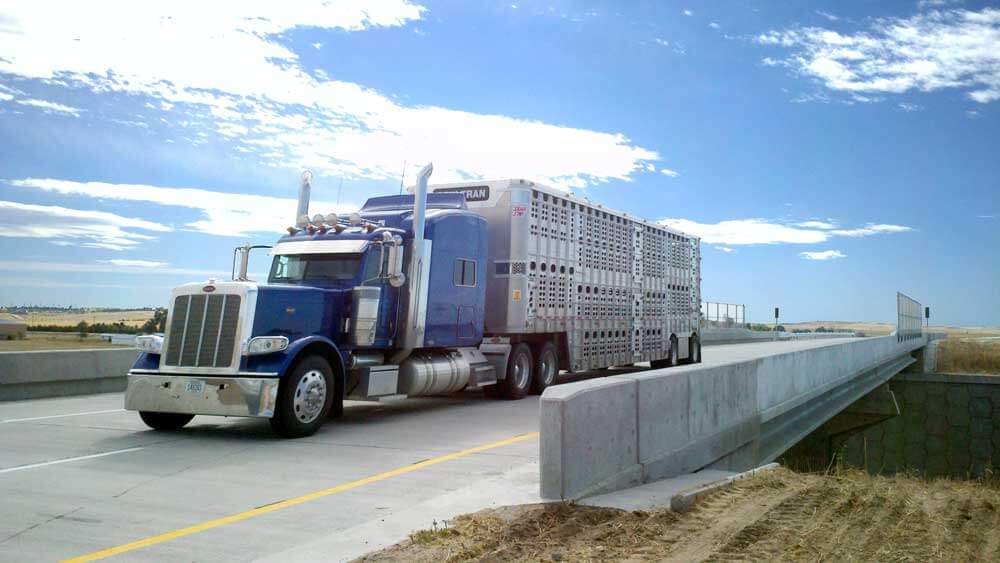
Heartland Expressway Association
The Heartland Expressway is a critical north–south trade route connecting Colorado, Nebraska, Wyoming, and South Dakota, linking rural communities to national and international markets. Developed to improve freight mobility, safety, and economic competitiveness, the corridor serves agriculture, energy, and manufacturing industries across the central Plains. In 1991, Congress designated the Heartland Expressway as High Priority Corridor 14 on the National Highway System under Intermodal Surface Transportation Efficiency Act (ISTEA), formally recognizing its national importance and advancing its development as part of a future interstate-quality network.
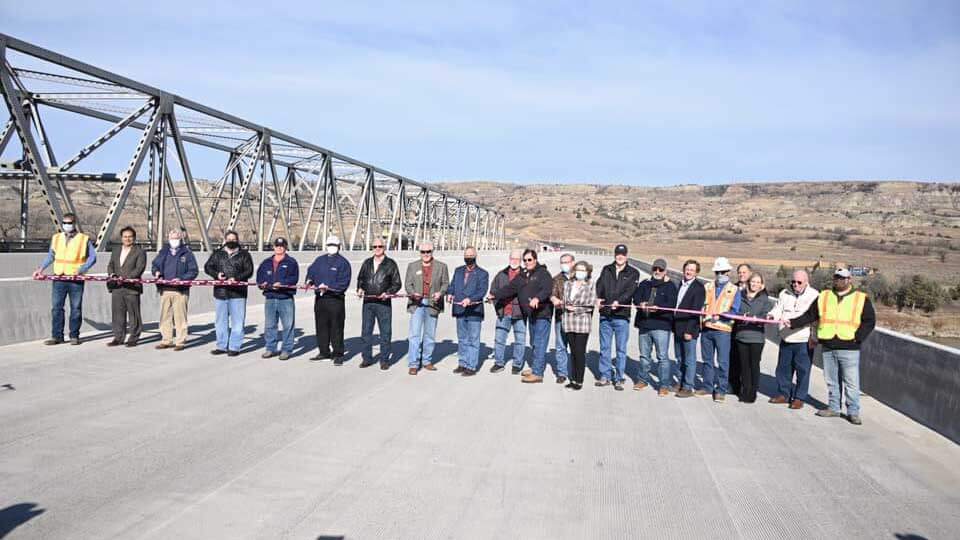
Theodore Roosevelt Expressway Association
The Theodore Roosevelt Expressway is a vital north–south corridor linking South Dakota, North Dakota, and eastern Montana with Canada, supporting agriculture, energy development, tourism, and cross-border trade. The route improves access to rural communities and key natural resource regions while strengthening international connectivity. In 2005 via the Safe, Accountable, Flexible, Efficient Transportation Equity Act: A Legacy for Users (SAFETEA-LU), Congress designated from the U.S.-Canada border down to Rapid City, SD, connecting key agricultural and energy hubs like the Bakken Oil Field.
Governmental & State Partners
The success of the Ports-to-Plains Alliance depends on strong, collaborative relationships with state departments of transportation, metropolitan and rural planning organizations, and Congressional delegations across the corridor. These partnerships are essential to advancing planning, design, and construction of improvements. By working closely with state and federal partners, the Alliance helps align priorities, support project delivery, and secure the funding and authorizations needed to implement corridor investments that benefit communities, businesses, and national trade.




Industry, Corporate & Community Partners
Industry leaders, corporate partners, and local governments provide the financial support, sponsorships, and grassroots strength that make the Ports-to-Plains Alliance’s advocacy possible. Through annual memberships and conference and event sponsorships, partners help sustain a unified, business-driven voice advancing future interstate development, improving freight mobility, and strengthening regional economies. Their investment supports research, outreach, and engagement that translate local priorities into national action across the corridor.












Become a Partner
Join the Ports-to-Plains Alliance and gain a seat at the table shaping a nationally significant transportation corridor. Partnership provides direct access to policymakers, influence in multi-state advocacy, and a strong return on investment through improved infrastructure that lowers costs, expands markets, and drives long-term economic growth across the Heartland.