May 2026 Volume 24 Issue 5
|
We are a voice for our small town, grassroots members who may otherwise not have access to the right audiences, as well as a conduit for industry to come together in support and promotion of transportation improvements.
We are committed to working as an Alliance to improve transportation infrastructure and business networks opportunities, by advocating for appropriate funding levels, so business and industry can thrive.
We are focused on the economic and business interests that are the lifeblood of the region.
|
Be Sure Newsletter Email is Allowed
|
As you may have noticed, the monthly Ports-to-Plains Newsletter is sent through our member database. Please be sure the email address pal@memberclicks-mail.net is allowed on your system.
|
I am spending this last week of May in Denver working with Joe on Colorado strategies for our corridor. We have had some good meetings with representation from all three customers of a good transportation system. The motor carriers who will use it, the contractors who will build it, and the engineers who will design it. For these groups, investing in infrastructure improvements is a no brainer because of the benefits that it brings to all three of these industries. The conversations we had were positive because, quite frankly, it is like preaching to the choir. Also, this month, the House version of the highway bill was released with a catchy title; BUILD America 250 Act. We are excited to report that there is some language that recognizes high priority corridors and future interstates in several programs. But we still have some work to convince our congressional leaders that there needs to be a formula driven future interstate construction program.
Oh, how I wish that our congressional leaders were motor carriers, highway contractors, and transportation engineers. That would make my job convincing them to invest in our infrastructure future a whole lot easier. Two hundred and fifty years ago I would bet that our First Continental Congress, which was a forerunner of the 1St United States Congress, would have been made up of citizens that mirrored the society that they represented and by the time they drafted the first articles of the US Constitution, it was easy for them to recognize the value and support a national investment in better roads to promote commerce, trade, and deliver the mail. I would tell you that it is harder today to convince career politicians to support a strategic vision for our nation’s infrastructure, because you may have heard the old saying that “all politics are local.” We support the issues that are important to our constituents. That is why we carry the title of “Representative.”
|
There is, however, a saving grace in all this. As I sit here in Colorado watching all the political ads that delineate the issues that they think are important to the citizens of Colorado, I realize that they would not be the same issues that our politicians think are important to the citizens of my state. Some of these issues might be important to some of our other P2P states, but not all of them and some would not be supported. I found over the last 40 years of my career that investing in better transportation infrastructure is not usually a divisive political issue. In fact, our politicians love to use the word bi-partisan when it comes to drafting transportation legislation because better roads, bridges, and rails make good sound bites and produce constituent good will.
The harder sell of course is about the level of investment and the source of funding commitment. So, we still have some work to do over the summer as the Senate version of the transportation bill is released and the two versions are reconciled in committee. I urge every one of us to reach out to our congressional representatives and encourage them to invest in a refocused national transportation network that will take our high priority corridors and future interstates into the twenty-second century. Yes, you heard me right! Next month Washington is going to celebrate the 70th anniversary of Interstate Highway System. If you add 70 more years, we would be approaching the twenty-second century.
more to come …
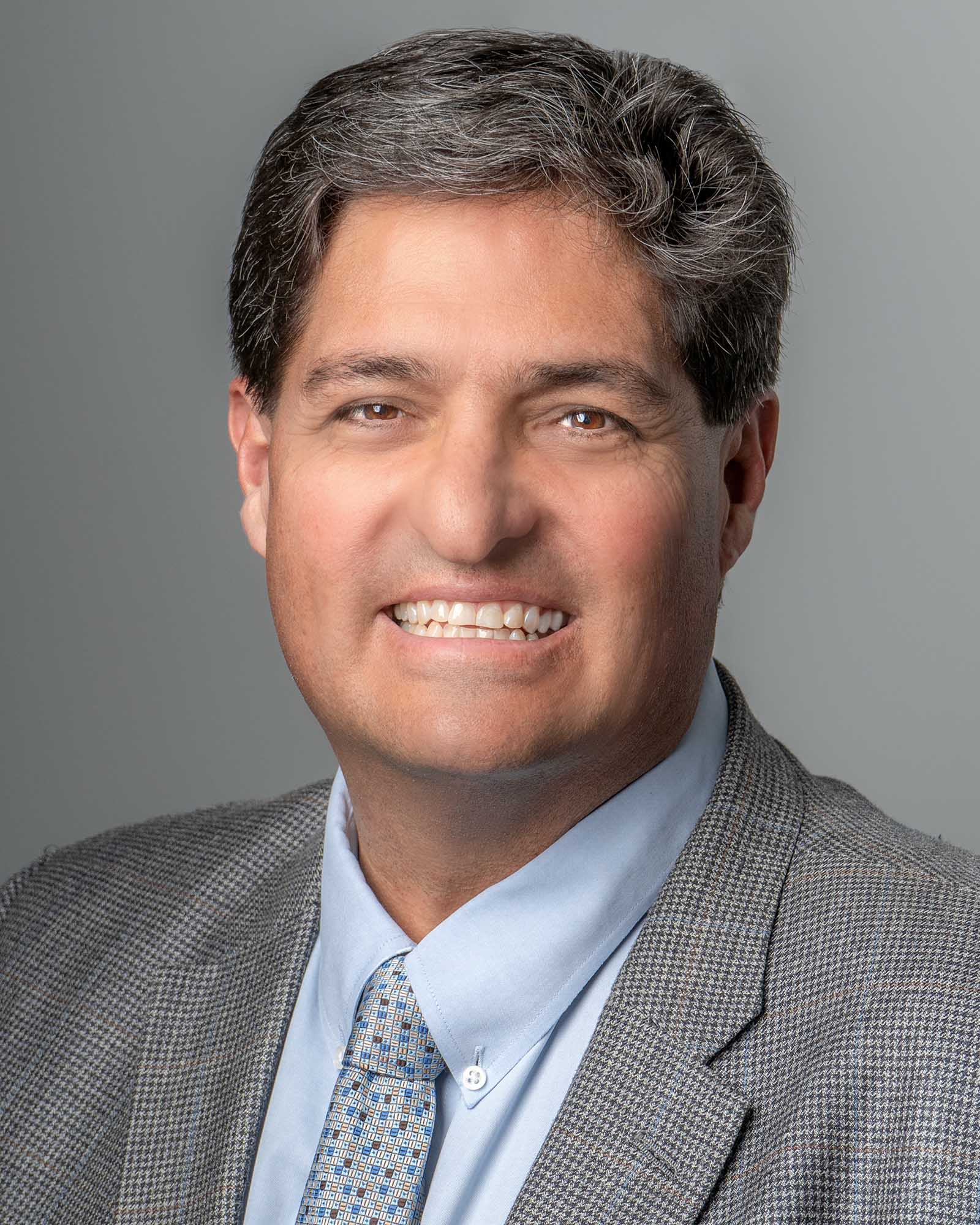
Lauren D. Garduño
|
House T&I Committee Advances BUILD America 250 Act
|
On May 21, the U.S. House Transportation & Infrastructure Committee approved the BUILD America 250 Act (H.R. 8870), a bipartisan five-year, $580 billion surface transportation reauthorization bill that would guide federal investment in highways, bridges, transit, rail, freight, and safety programs. The legislation marks the beginning of a major congressional debate over national transportation priorities, funding formulas, freight investment, rural mobility, and future infrastructure development.
Compared to the Infrastructure Investment and Jobs Act (IIJA), BUILD America 250 shifts away from one-time General Fund spending and back toward a more traditional reauthorization centered on core highway, bridge, freight, and safety programs funded primarily through the Highway Trust Fund. The bill places greater emphasis on freight movement, project delivery, truck parking, safety, and formula-based infrastructure programs, while scaling back several IIJA-era climate, resilience, and equity-focused initiatives. It also introduces new EV and hybrid user fees to support long-term Highway Trust Fund sustainability.
|
Key Programs for Ports-to-Plains Alliance
Section 1105, Nationally Significant Multimodal Freight and Highway Projects, would provide approximately $12.5 billion over five years ($2.5 billion annually) from the General Fund (subject to appropriations) for nationally competitive freight and highway projects. Funds are awarded by USDOT based on project merit—not by formula—with set-asides for project size, geographic balance, and rural needs. For the Ports-to-Plains Alliance, proposed language recognizing projects that add capacity to the Interstate System to improve mobility would strengthen eligibility for corridor widening, bypasses, reliever routes, and interstate-standard upgrades—creating a stronger pathway for advancing High Priority Corridors and Future Interstate development.
Section 1122 – National Highway Freight and High Priority Corridor Program is a core formula highway program, meaning funds are distributed to states by formula rather than through a competitive grant process. Funding is apportioned by FHWA based on factors such as highway miles, freight movement, and other statutory formula considerations, giving states predictable annual funding to invest in freight corridors and nationally significant highway improvements. The BUILD America 250 Act authorizes approximately $3.5 billion annually, or about $17.5 billion over five years (FY2027–FY2031) from the Highway Trust Fund.
For the Ports-to-Plains Alliance, this is particularly important because formula funding provides a more stable and predictable source of investment for High Priority Corridor improvements, including corridor widening, grade separations, interchange upgrades, freight bottleneck relief, safety improvements, and interstate-standard upgrades. If states are allowed to use these funds to advance Congressionally designated High Priority Corridors toward Future Interstate readiness and connection to the existing Interstate System, it could create one of the strongest long-term federal funding tools for moving Ports-to-Plains corridor segments from designation to construction.
The Surface Transportation Accelerator Grant Program (STAG) would provide approximately $12 billion over five years ($2.4 billion annually) from the Highway Trust Fund to help major transportation projects move from planning to construction by funding feasibility studies, corridor planning, environmental review, engineering, and other project-readiness work. Grants are divided among Local & Regional (50%), Rural (25%), and Urban (25%) categories, with rural set-asides supporting agricultural freight, smaller communities, and safety-focused projects. For the Ports-to-Plains Alliance, proposed language recognizing improvements to High Priority Corridors advancing toward Interstate standards and connections to the existing Interstate System would make STAG a powerful tool for accelerating Future Interstate corridor development, bypasses, reliever routes, and other critical project readiness investments.
|
FY27 Congressionally Directed Spending (CDS) and Community Project Funding (CPF) Status
|
Congressionally Directed Spending in the U.S. Senate and Community Project Funding in the U.S. House of Representatives remain important tools for advancing transportation, infrastructure, economic development, and public safety priorities. Initially, both the Senate and House have processes that start at the level of the Transportation, Housing and Urban Development Committee.
|
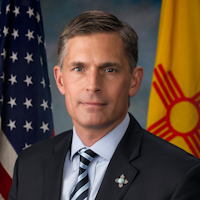
In the U.S. Senate, Senator Martin Heinrich (NM) submitted a CDS request for $1.6M for Interstate Highway Planning on U.S. 87 / U.S. 64. The Ports-to-Plains Alliance will develop interstate highway plans and environmental documents for the U.S. 87/U.S. 64 corridor.
|
The U.S. House of Representatives submitted three projects.
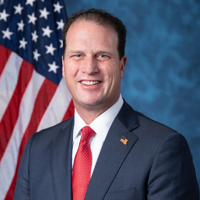
Congressman August Pfluger (TX-CD-11) submitted a $2.5M CPF request for I-27 / I-14 Future Interstate System Connection Study. The U.S. House Committee on Transportation and Infrastructure approved the BUILD America 250 Reauthorization bill and included $1.0M. The requested funding will support a feasibility and planning study for the full north–south and east–west interstate integration of Future I-27 and I-14 near San Angelo, including alignment and interchange configuration analysis. The proposed connection would create a direct junction between two Congressionally designated Future Interstate corridors—a north–south trade spine linking Canada to the Texas–Mexico border, and an east–west military mobility route supporting Fort Cavazos and Goodfellow Air Force Base. Establishing this inland freight and defense mobility hub would enhance strategic highway network redundancy, improve military deployment capability, and strengthen access to domestic energy production areas in the Permian Basin critical to national security.
|
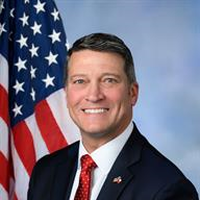
Congressman Ronny Jackson (TX-CD-13) submitted a $2.0M CPF request Interstate Planning Funds for Schematic & Environmental for the NW Quadrant of the Loop around Dumas. The U.S. House Committee on Transportation and Infrastructure approved the BUILDAmerica 250 Reauthorization bill and included the full $2.0M.The funding for this project would be used to complete schematic and environmental studies required to advance construction on the northwest quadrant of the Dumas loop in the Interstate 27 corridor. This project will help strengthen regional freight mobility, support agricultural and energy commerce, enhance roadway safety, and advance infrastructure projects along U.S. 287.
|
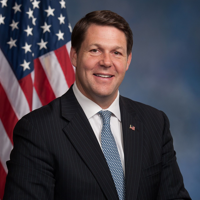
Congressman Jodey Arrington (TX-CD-19) submitted a $2.0M CPF request for Interstate Feasibility Study for U.S. 87 Big Spring Reliever. The U.S. House Committee on Transportation and Infrastructure approved the BUILD America 250 Reauthorization bill and included the full $2.0M.This project will fund an Interstate Feasibility and Gap Analysis for the U.S. 87 Big Spring Reliever Route in Big Spring, located in Howard County. The study will evaluate the improvements necessary to upgrade the existing four-lane divided facility to full interstate standards as part of Future Interstate 27.
|
The Ports-to-Plains Alliance extends its sincere appreciation to members of the Texas and New Mexico congressional delegations for recognizing the importance of continued Future Interstate corridor development through FY27 Congressionally Directed Spending and Community Project Funding submissions. Senator Martin Heinrich and Congressmen August Pfluger, Ronny Jackson, and Jodey Arrington each submitted requests supporting critical planning, environmental, feasibility, and corridor development work along Future Interstate routes in Texas and New Mexico. These submissions reflect strong congressional leadership and an understanding that early planning investments are essential to advancing corridor readiness, improving freight mobility, supporting military and national security objectives, enhancing safety, and positioning key regional corridors for long-term interstate highway development. The Alliance is grateful for their support and commitment to strengthening America’s future transportation network.
In addition to the CDS and CPF requests, Ports-to-Plains Alliance has submitted Programmatic and Language requests for the FY27 Appropriation process. For FY27 appropriations, Programmatic Requests and Language Requests allow members of Congress to influence federal funding and policy outside of project-specific earmarks.
Programmatic Requests seek funding for a federal program, account, or activity, such as increasing or creating funding for grant programs, studies, or national initiatives. These requests affect appropriations funding levels but do not direct money to a specific local project or recipient.
Language Requests seek bill or report language that provides policy direction to federal agencies without earmarking funds. This language may encourage, direct, or require agencies to study an issue, prioritize certain activities, or report back to Congress.
In simple terms: Programmatic Requests influence funding levels; Language Requests influence policy direction and agency priorities. Together, they are often used to advance broader national or regional priorities through the annual appropriations process.
These include:
- Programmatic: Multi-State Future Interstate Feasibility Study
-
- This request would fund a comprehensive Future Interstate Feasibility Study to evaluate the extension of Future Interstate 27 across North America through Oklahoma, Colorado, Nebraska, Wyoming, South Dakota, North Dakota, and Montana. The study will assess safety improvements, travel time reliability, freight mobility, energy market access, tourism impacts, congestion relief, economic return on investment, and long-term regional growth associated with upgrading designated High Priority Corridors to full interstate standards.
- Programmatic: Interstate Feasibility Study Connecting I-27 and I-2
-
- This request funds an Interstate Feasibility Study to evaluate the potential connection between Future Interstate 27 and Interstate 2 in South Texas. The study will assess the safety, freight mobility, trade competitiveness, energy logistics, economic return on investment, congestion relief, and national defense benefits of upgrading existing High Priority Corridors to full interstate standards.
- Language: Future interstate Designation and Route Numbering
-
- The designation and numbering of the Ports-to-Plains Corridor and its connecting routes—including the Heartland Expressway and Theodore Roosevelt Expressway—as Future Interstate routes is essential to advancing a nationally significant, multi-state transportation system supporting freight mobility, economic development, energy production, agriculture, tourism, and national security.
|
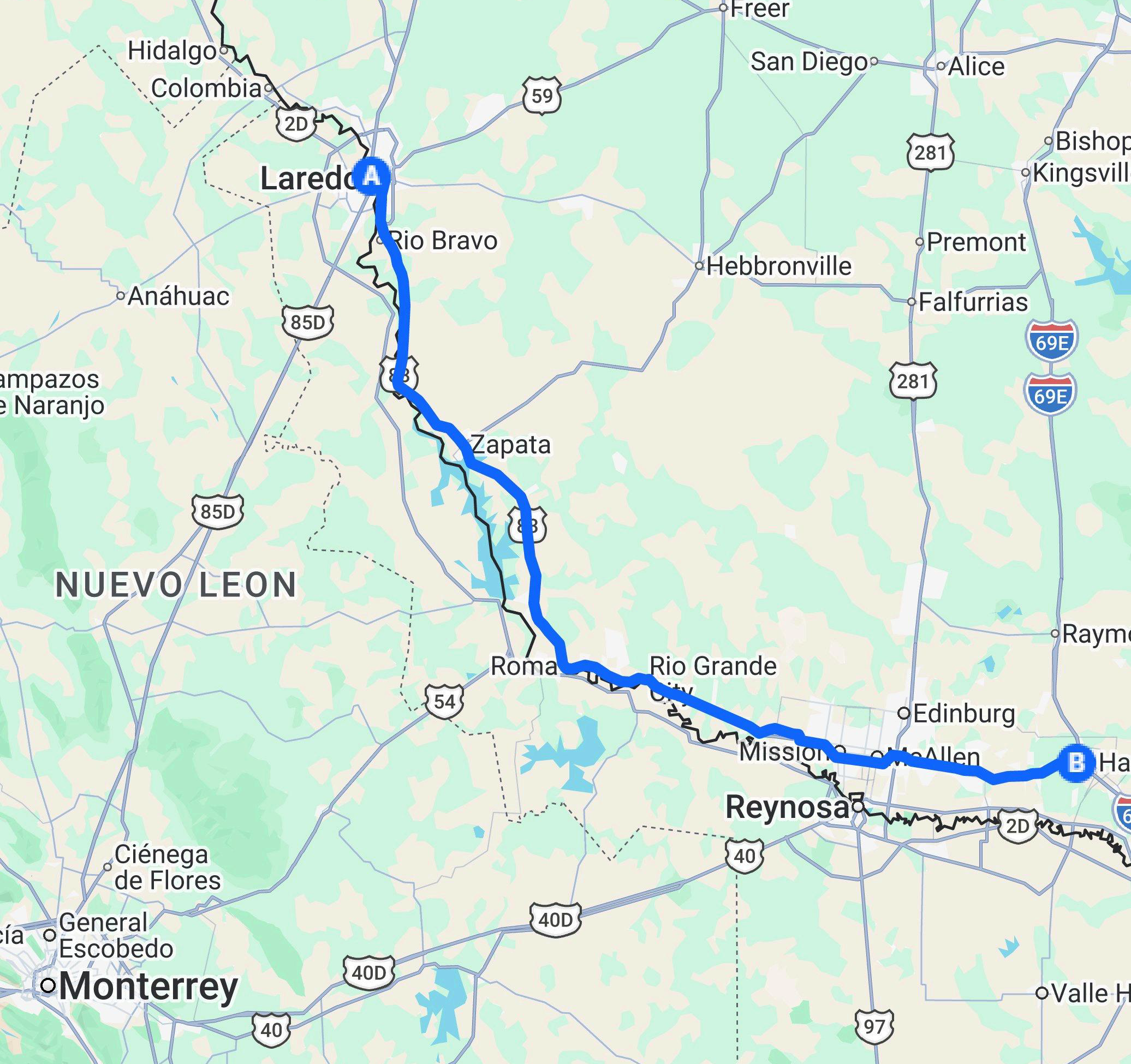
Benefits of the Extension of I-27 to the Rio Grande Valley
|
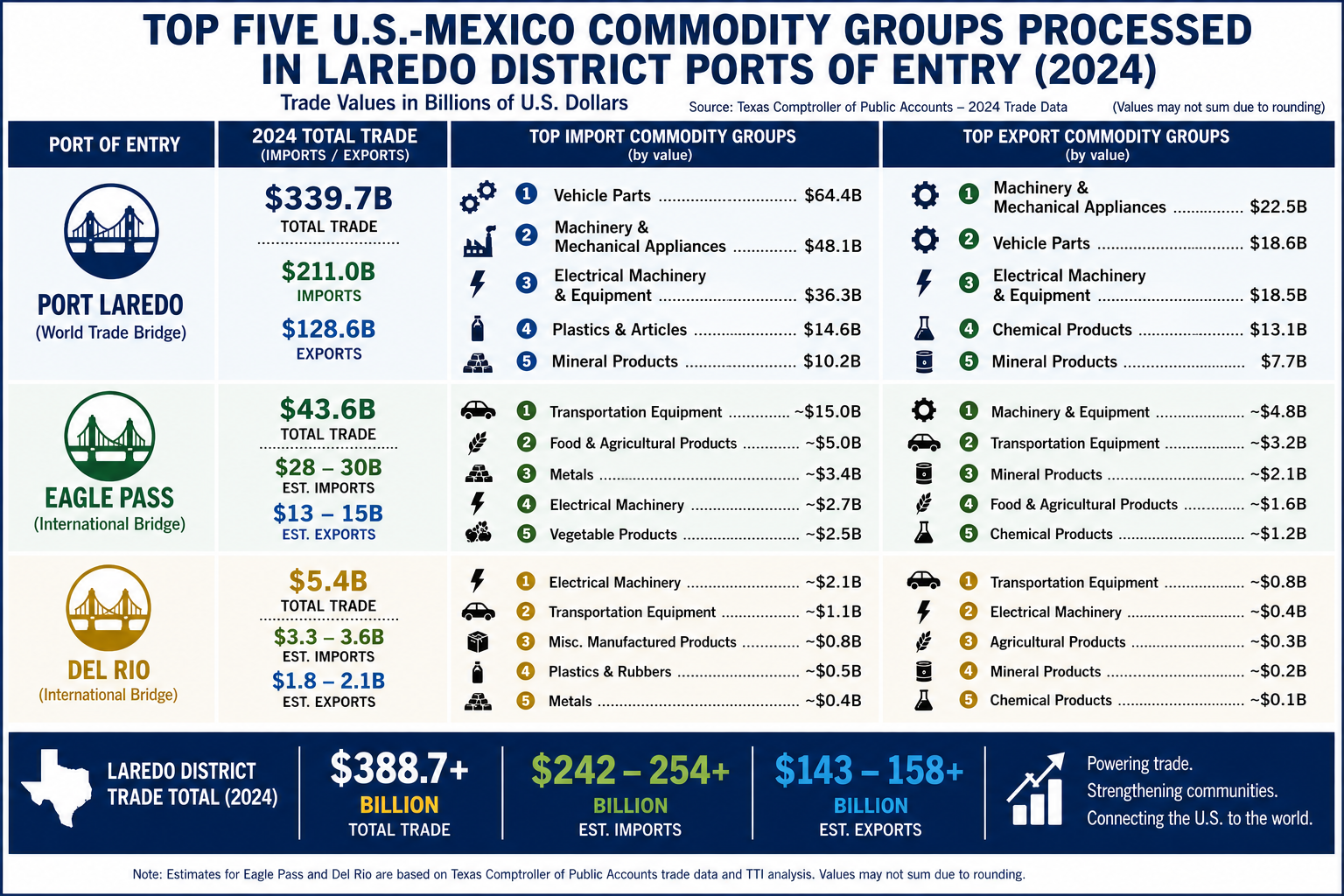
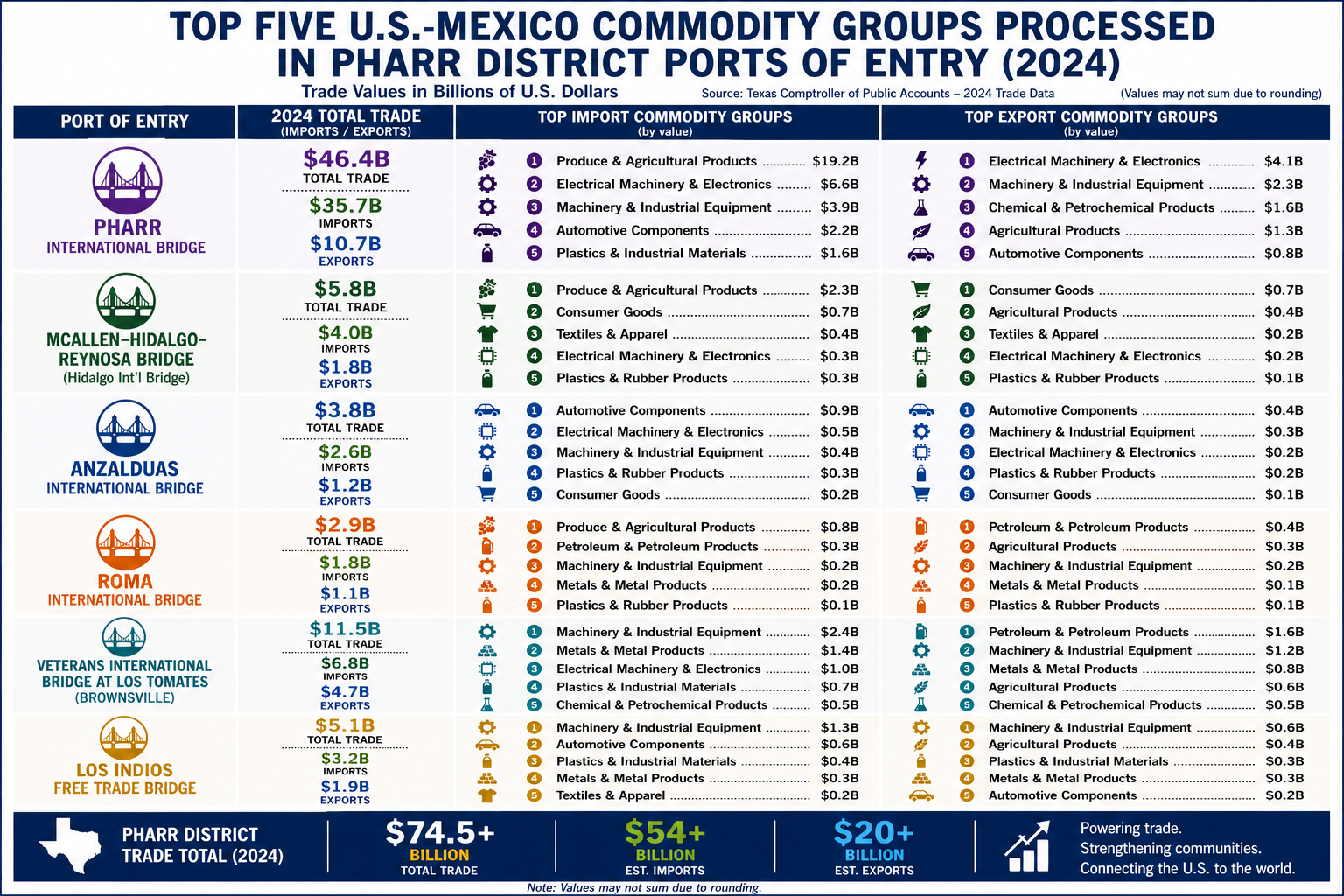
Future Interstate designation of the segment generally following United States Route 83 from Interstate 2 near Palmview, Texas, to Interstate 35/27 in Laredo, Texas, including appropriate routing through the Laredo area utilizing U.S. 395 and Loop 20, for inclusion within High Priority Corridor Number 38 (Ports-to-Plains Corridor), and for potential designation as a future part of the Interstate System as Future I-27S. Designation of this corridor would not simply improve an existing route — it would create a new continuous interstate connection linking Laredo’s $320+ billion trade gateway with the Rio Grande Valley and Brownsville’s $100+ billion border and port economy, tying together more than $400 billion in annual international commerce on a single interstate corridor. That connection would improve freight reliability across one of North America’s most active trade regions, reduce border-to-market transportation costs, and strengthen supply chains serving automotive, electronics, agriculture, energy, logistics, and manufacturing industries.
|
The addition would also connect a South Texas regional economy supporting more than 2 million residents and hundreds of thousands of existing jobs to a continuous Interstate freight network, increasing competitiveness for industrial development, warehousing, distribution, and export activity.
Beyond its economic benefits, the corridor would significantly strengthen border security operations by improving mobility for federal, state, and local law enforcement, enhancing rapid deployment of personnel and equipment, increasing access between ports of entry and inland operational hubs, and improving emergency response capabilities along one of the busiest sections of the U.S.-Mexico border.
While a corridor-specific GDP estimate for this final segment would require separate modeling, the economic value of directly connecting Laredo, the Rio Grande Valley, the Port of Brownsville, and Gulf Coast export markets is expected to generate significant long-term job growth, private investment, and increased economic output by removing one of the last major interstate gaps along the Texas-Mexico border.
Freight movement is another major reason these corridors are prioritized. TxDOT data shows US 277 & US 83 moves $15.7 billion in freight and 4.4 million tons annually, making them among the most valuable freight corridors in the program. The broader US 83 / Ports-to-Plains system also connects 22 U.S.-Mexico border crossings, supporting some of the highest-value freight commodities in Texas and strengthening supply-chain resilience between Mexico, Texas, and national markets.
|
WHY ATTEND the 2026 Ports-to-Plains Alliance Annual Conference!
|
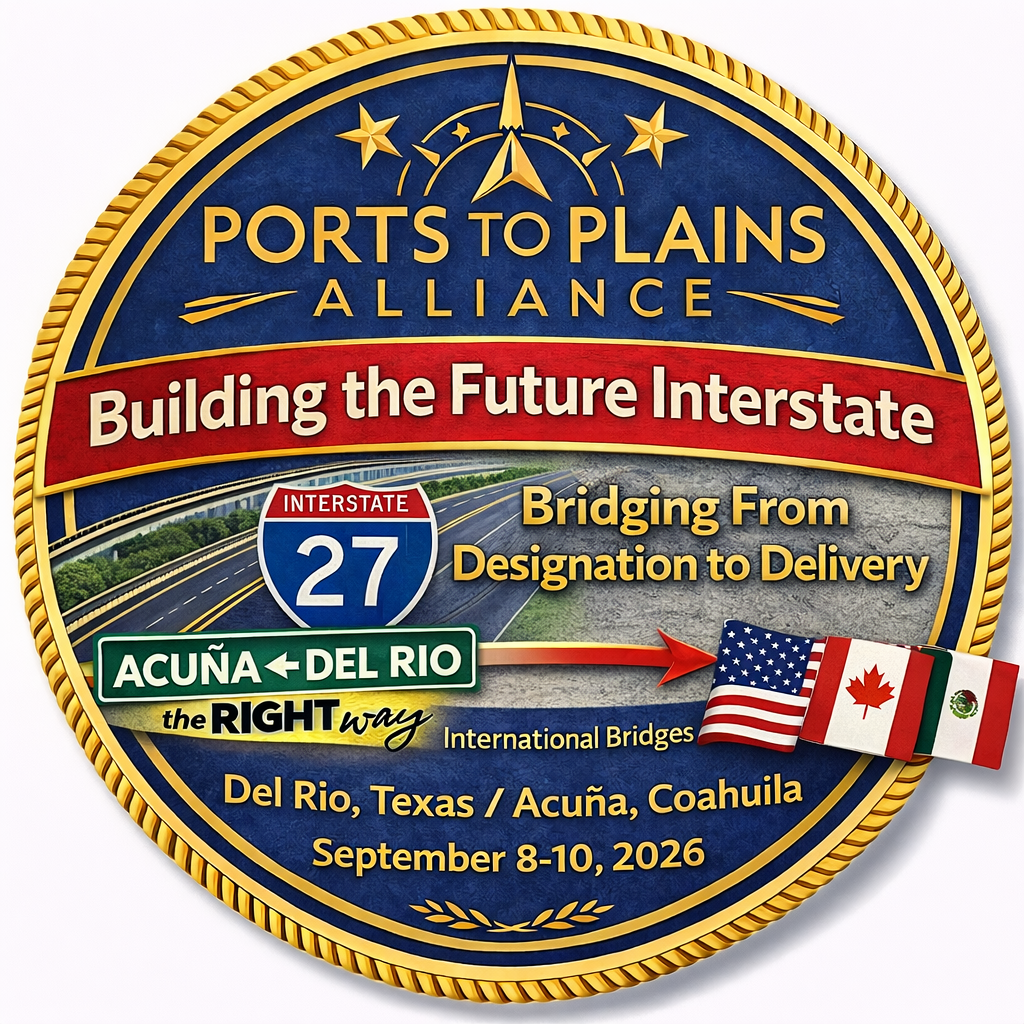
The 2026 Ports-to-Plains Alliance Annual Conference is the premier opportunity to connect with the leaders shaping the future of the I-27 Corridor and North American trade. Attendees will receive timely updates on federal policy, transportation funding, trade, and Future Interstate development while hearing directly from congressional representatives, state DOT leaders, and industry experts. Held in the unique bi-national setting of Del Rio, Texas, and Acuña, Coahuila, the conference offers unmatched networking, policy discussions, and collaboration opportunities across the nine-state corridor. Registration is free thanks to conference sponsors, and attendees are encouraged to review the agenda and secure their spot today at Registration andConference Schedule.
|
Joe Kiely
Vice President of Operations
Ports-to-Plains Alliance
PO Box 758
Limon, CO 80828
Cell: (719) 740-2240
joe.kiely@portstoplains.com
|
Cal Klewin
Executive Director
Theodore Roosevelt Expressway Association
PO Box 1306
Williston, ND 58802
701-523-6171
cal@trexpressway.com
|
Deb Cottier
Chair
Heartland Expressway Association
c/o TCD
1820 Broadway
Scottsbluff, NE 69341
308-430-5959
dcottier@gpcom.net
|
|