
|
April 2026 Volume 24 Issue 4 |
|
|
|
We are a voice for our small town, grassroots members who may otherwise not have access to the right audiences, as well as a conduit for industry to come together in support and promotion of transportation improvements.
We are committed to working as an Alliance to improve transportation infrastructure and business networks opportunities, by advocating for appropriate funding levels, so business and industry can thrive.
We are focused on the economic and business interests that are the lifeblood of the region. |
|
Be Sure Newsletter Email is Allowed |
|
As you may have noticed, the monthly Ports-to-Plains Newsletter is sent through our member database. Please be sure the email address pal@memberclicks-mail.net is allowed on your system. |
|
|
|
|
|
PRESIDENT'S CORNER |
|
|
This Op-Ed is going out nationwide! |
|
“Now is the Time to Build New Interstates”
What an incredible event we witnessed this month with the lunar orbit of the Artemis II and its four-member crew. News coverage spent considerable time comparing the Artemis mission to the Apollo program which was the last time humans had left low-earth orbit in December 1972. The mission of the Apollo Program was about landing a human on the moon, and I was five years old when Neil Armstrong accomplished that amazing feat in July 1969. I don’t recall watching the event on TV, but I do remember the lift offs of the other five Apollo missions including the last one, Apollo 17 in December 1972. By then I was entering my elementary school days and one of our scientific readers announced the fourth human spaceflight program known as the Space Shuttle which was designed to support a new mission called Skylab. In that announcement, the National Aeronautics and Space Administration (NASA) described how they would build upon previous work and use the Apollo Applications Program which was designed to carry payloads back and forth from Earth to the Space Station and later the Hubble Telescope. This was our space strategy and vision and from 1981 to 2011 we flew 135 missions carrying 355 Astronauts supporting the space station, the Hubble Telescope, and other satellite deployments. In 2017, under the Trump Administration, Space Policy Directive-1 was issued that amended the nation’s space policy to include going beyond low earth orbit and once again adding moon exploration as one of our mission parameters. With that directive we established the Artemis Space Program and just this month, 54 years after our last Apollo mission, we sent four astronauts on a lunar orbital flight in the Artemis II. It is important to note that again, we built upon the previous space program by incorporating some of the hardware derived from the Space Shuttle, like the core stage rocket booster system, into the current Artemis flights. |
|
Sixty-nine years ago, our nation embarked on another large-scale infrastructure program known as the Interstate Highway System. Conceived in the twenties, the program found life in 1957 with the signing of the Interstate Highway Act during the Eisenhower administration. While the Apollo program aimed and put a man on the moon by the end of the decade (1960s), the interstate highway construction was originally planned and budgeted for a fifteen year build out but it took thirty-five years to complete in 1992. In 1991, with the passing of the Intermodal Surface Transportation Efficiency Act (ISTEA), our national transportation policy shifted from building interstates to the maintenance, preservation, congestion relief and safety of the existing system. It was at this time that we created the National Highway System (NHS) and our interstate highways were incorporated into this national network. It was also at this time that our transportation policy makers took a stab at defining the next generation of our interstate highway system with the creation of High Priority Corridors. Some of these corridors were existing interstates, but many were routes that would help complete a national interstate highway system. For example, as you move away from the east coast, the majority of our interstates run west to east with several south to north gaps in the network. By the time we reached the twenty first century, there were 110 defined High Priority Corridors with several targeted for future interstate upgrades. But this is where our national transportation policy falls apart when it comes to the next generation of interstates. Every surface transportation bill since ISTEA has omitted formula funding for the High Priority Corridor network requiring state DOT’s to fund improvements within the framework of other transportation programs that have come online over the last thirty years like the Surface Transportation Block Program, the National Highway Performance Program and as recently as 2015, the National Highway Freight Program. Over the years, thirteen of these high priority corridors have been congressionally designated as future interstates. But without a dedicated funding stream, not one has been completed to date.
So where do we go from here? In 2019 there was a special report, number 329, to the Transportation Research Board titled “Renewing the National Commitment to the Interstate Highway System: A Foundation for the Future” where the committee made these recommendations : The original Interstate Highway Construction Program was underpinned by a long-term, collaborative commitment among the states and the federal government. A comparable partnership is needed to renew and modernize the system and to ensure that it is resilient and responsive to the changing demands of users. Congress should legislate an Interstate Highway System Renewal and Modernization Program (RAMP). The committee recommended that this program should be modeled after the original interstate construction program including increasing federal partnership with a true strategic national vision and a 90 percent federal funding participation ratio. Today, we are in the last year of the current Surface Transportation Bill which is scheduled to sunset in September 2026. We have an incredible opportunity to fund and build interstates again. Just like we amended Space Policy Directive-1 to allow for Lunar missions, we need language in the new highway bill to build interstate highways. This needs to include a national evaluation of our existing and future interstate corridors and a designed system that will take advantage of new technologies in transportation currently in place and technologies that have not even been invented yet. Therefore, we are asking all of our congressional leaders, transportation advocates, cities, counties, parishes, economic development organizations, chambers of commerce, highway contractors, transportation engineers, and tax paying citizens to support Congressionally Authorized Future Interstate (CAFI) language in the Surface Transportation Reauthorization bill. Let’s get to building interstates again! Now is the time for our moon-shot event.
more to come …
Lauren D. Garduño |
|
|
|
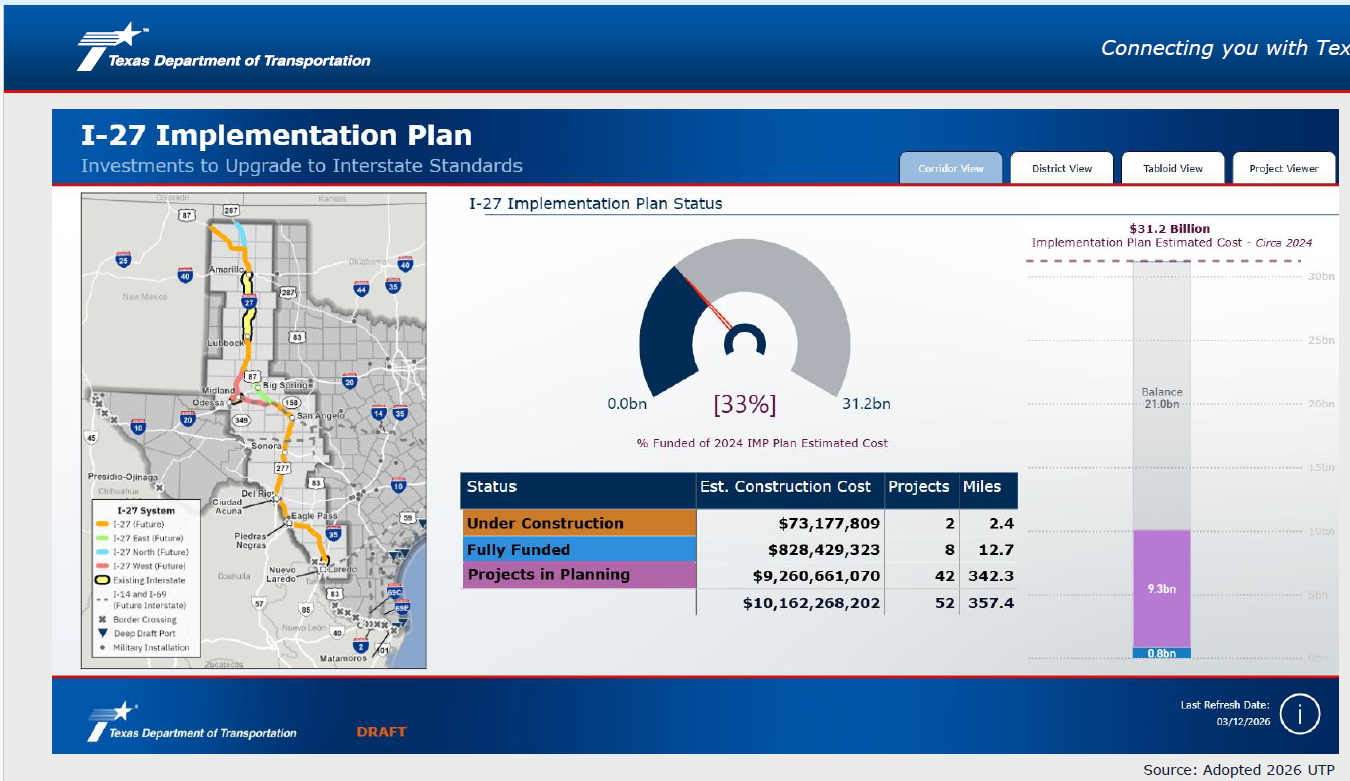
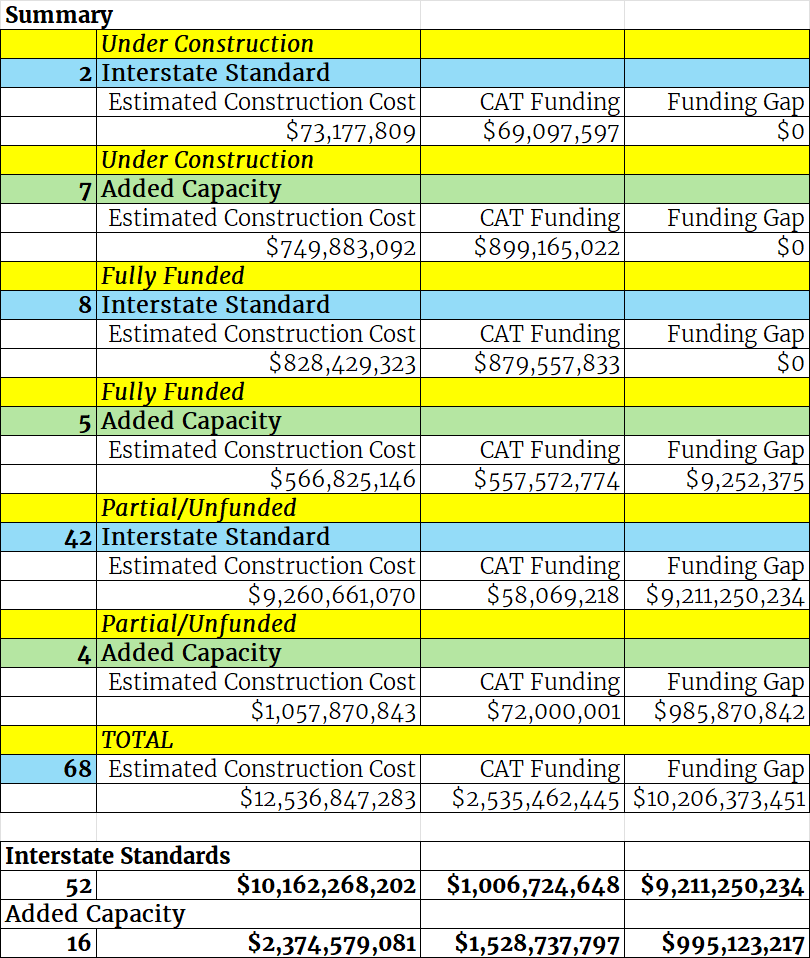
Current Status of I-27 Implementation Plan in Texas |
|
Overview |
|
|
|
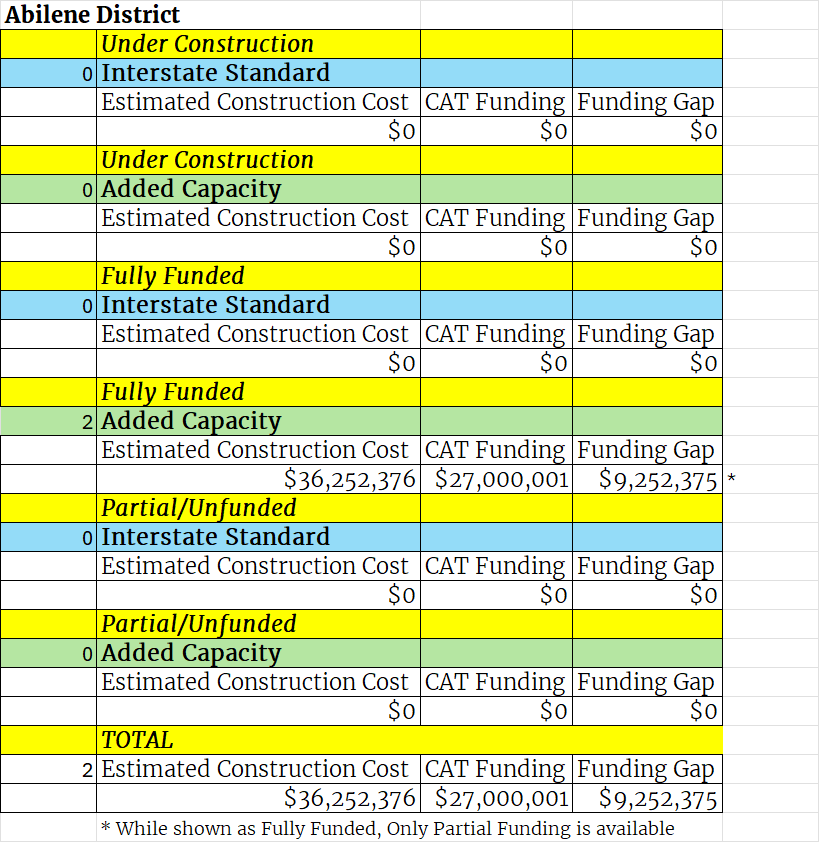
Abilene District From I-27 System in Texas Implementation Plan |
|
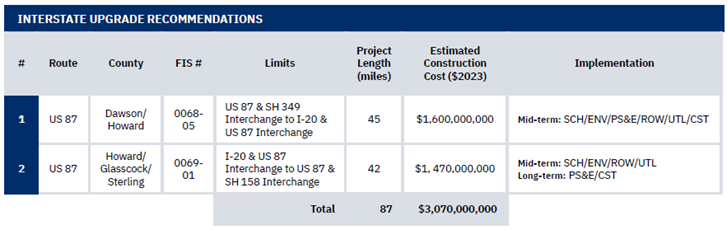
Current Status |
|
|
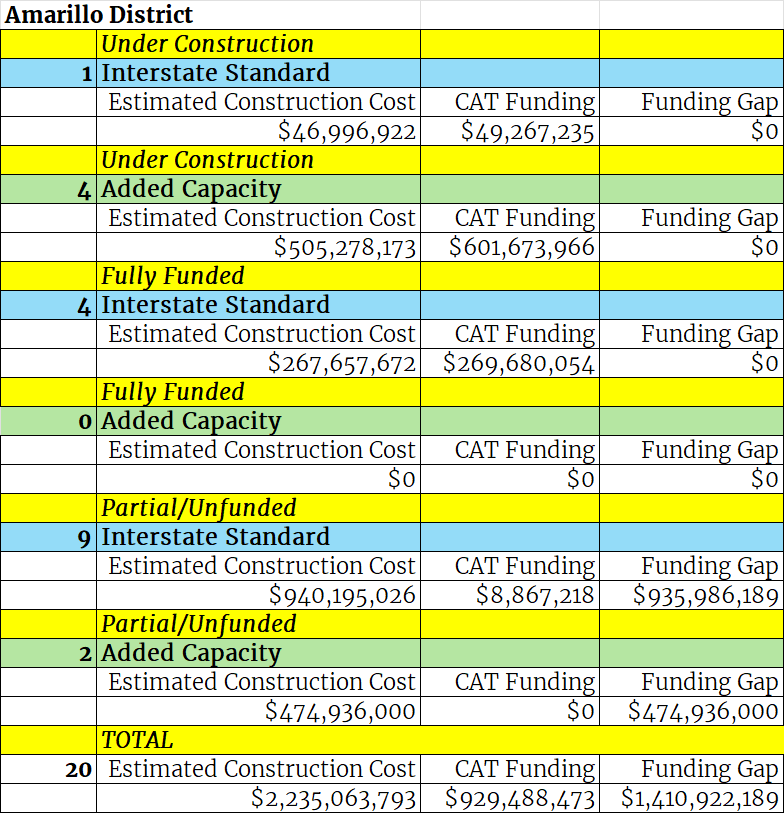
Amarillo District From I-27 System in Texas Implementation Plan |
|
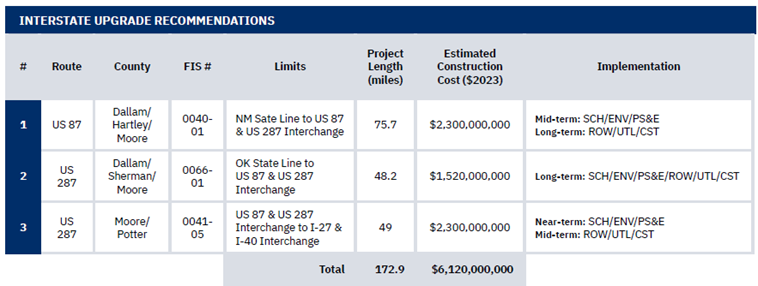
Current Status |
|
|
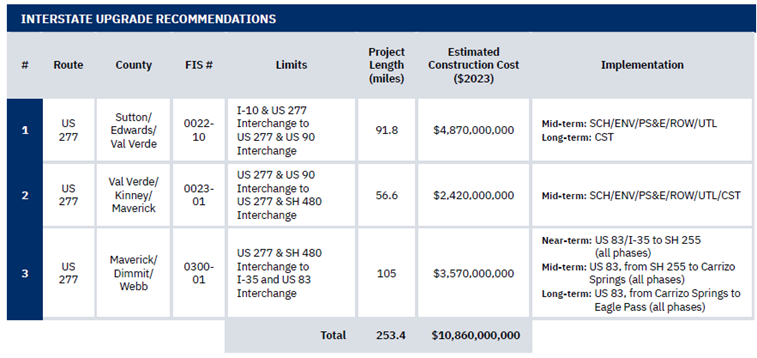
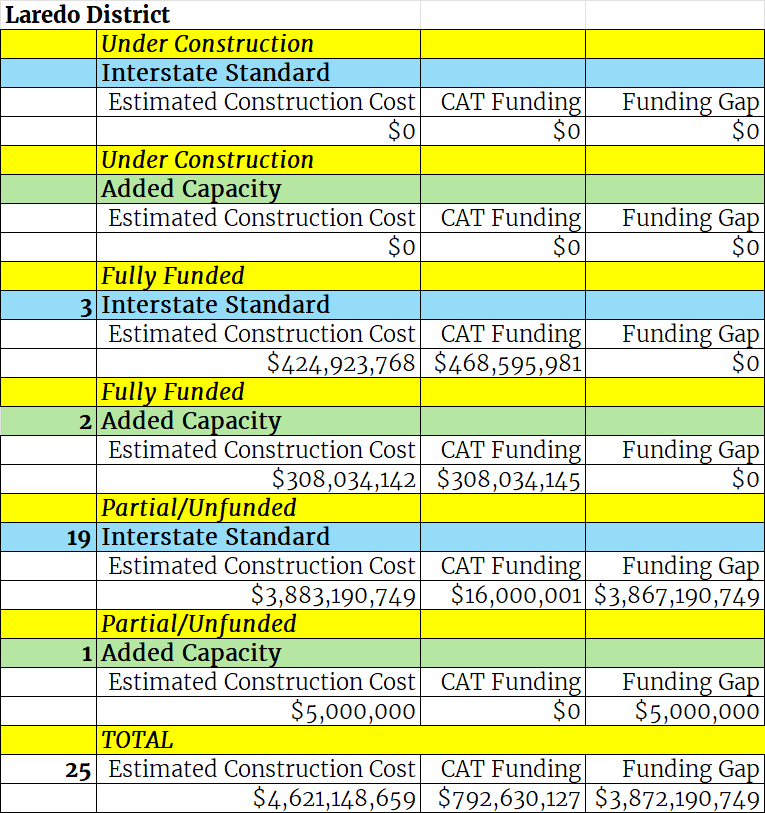
Laredo District From I-27 System in Texas Implementation Plan |
|
Current Status |
|
|
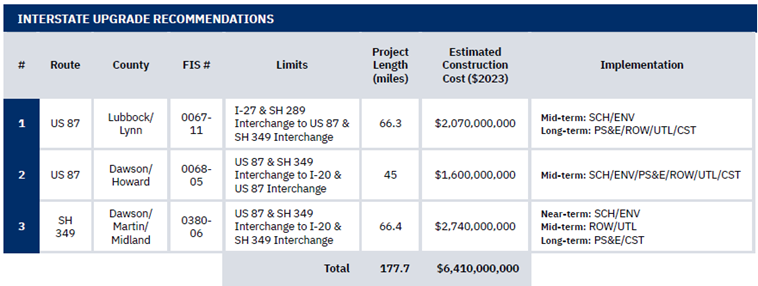
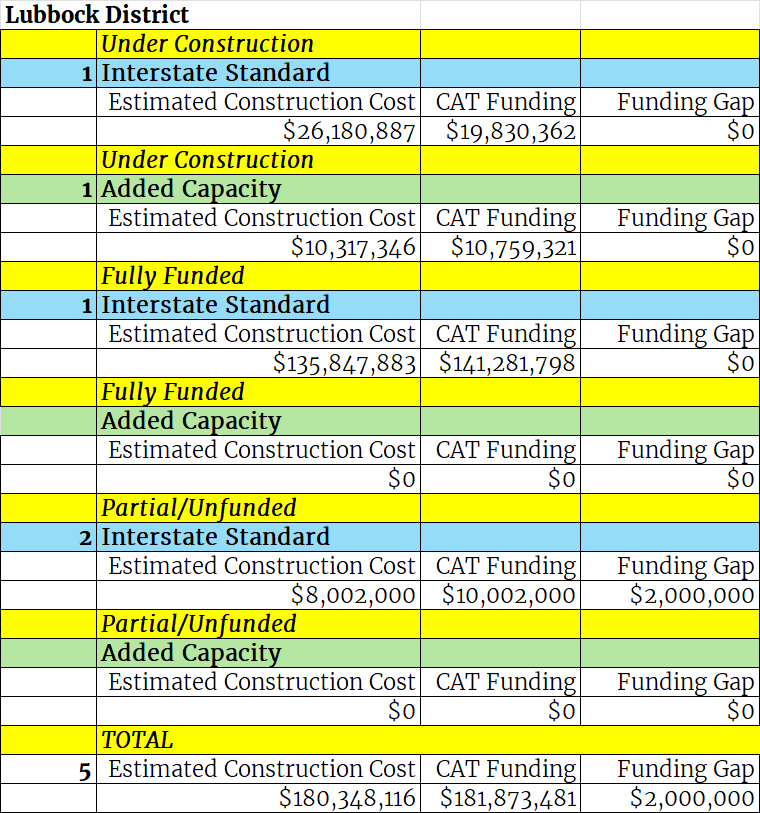
Lubbock District From I-27 System in Texas Implementation Plan |
|
Current Status |
|
|
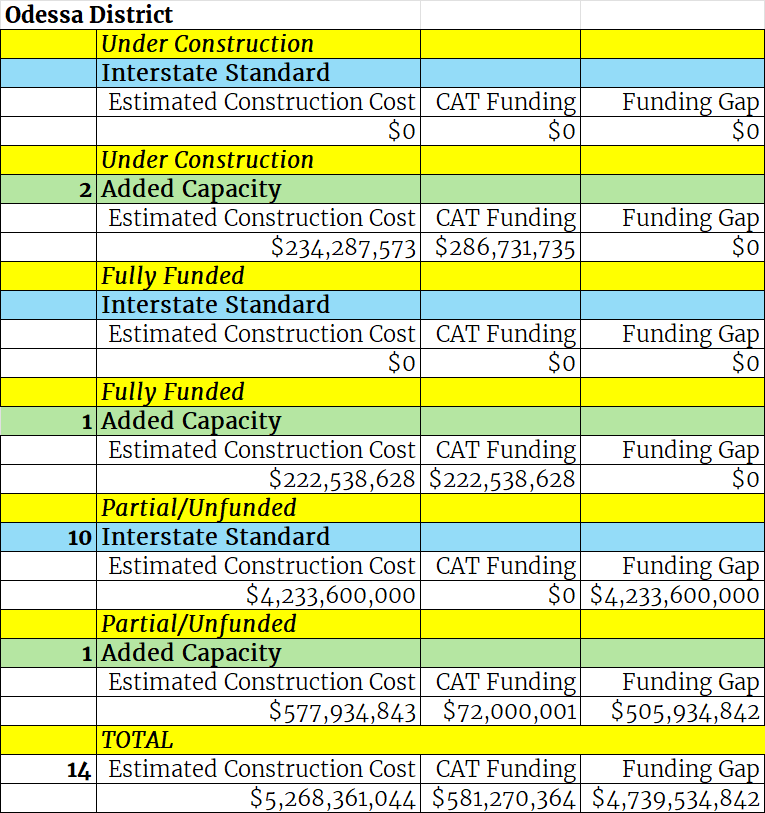
.Odessa District From I-27 System in Texas Implementation Plan |
|
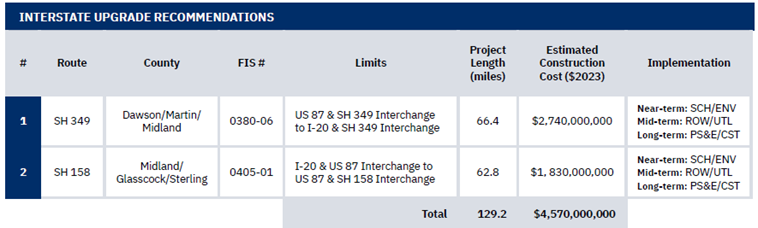
Current Status |
|
|
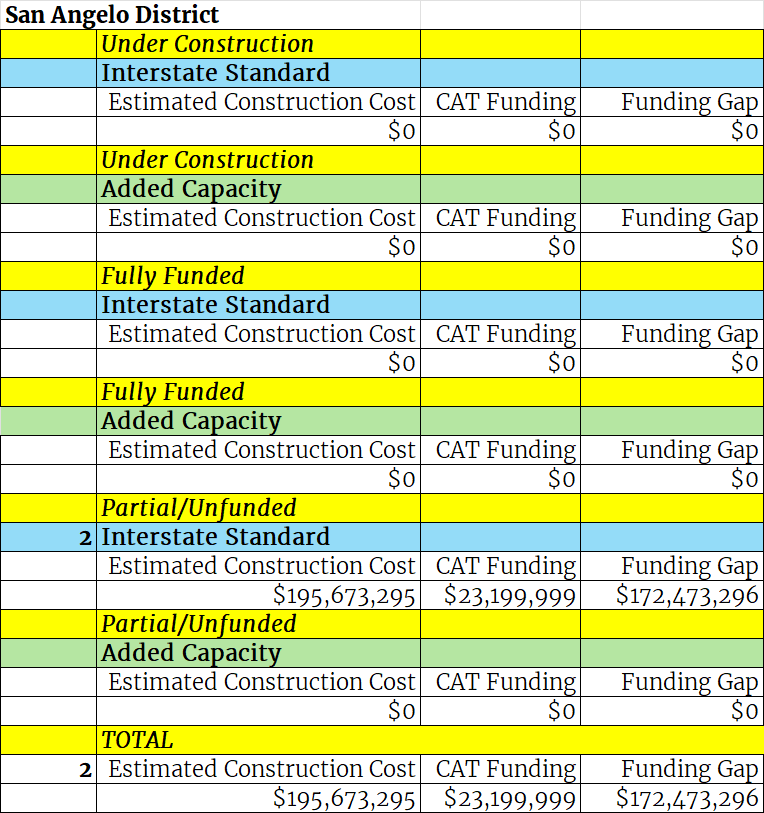
San Angelo District From I-27 System in Texas Implementation Plan |
|
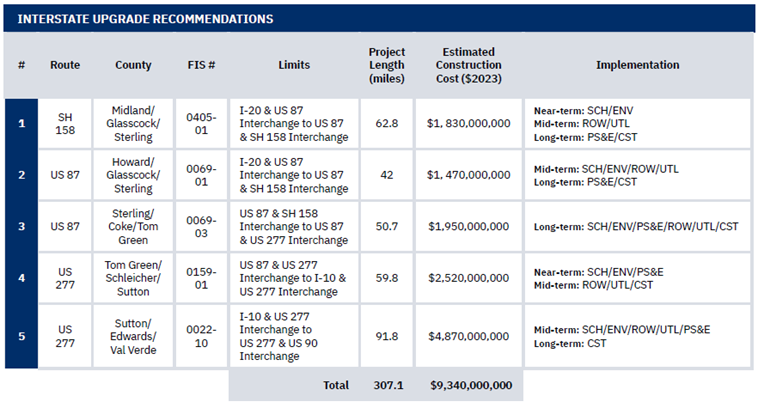
Current Status |
|
|
|
|
Congressionally Authorized Future Interstates (CAFI) Momentum Builds — Follow the New LinkedIn Page |
|
|
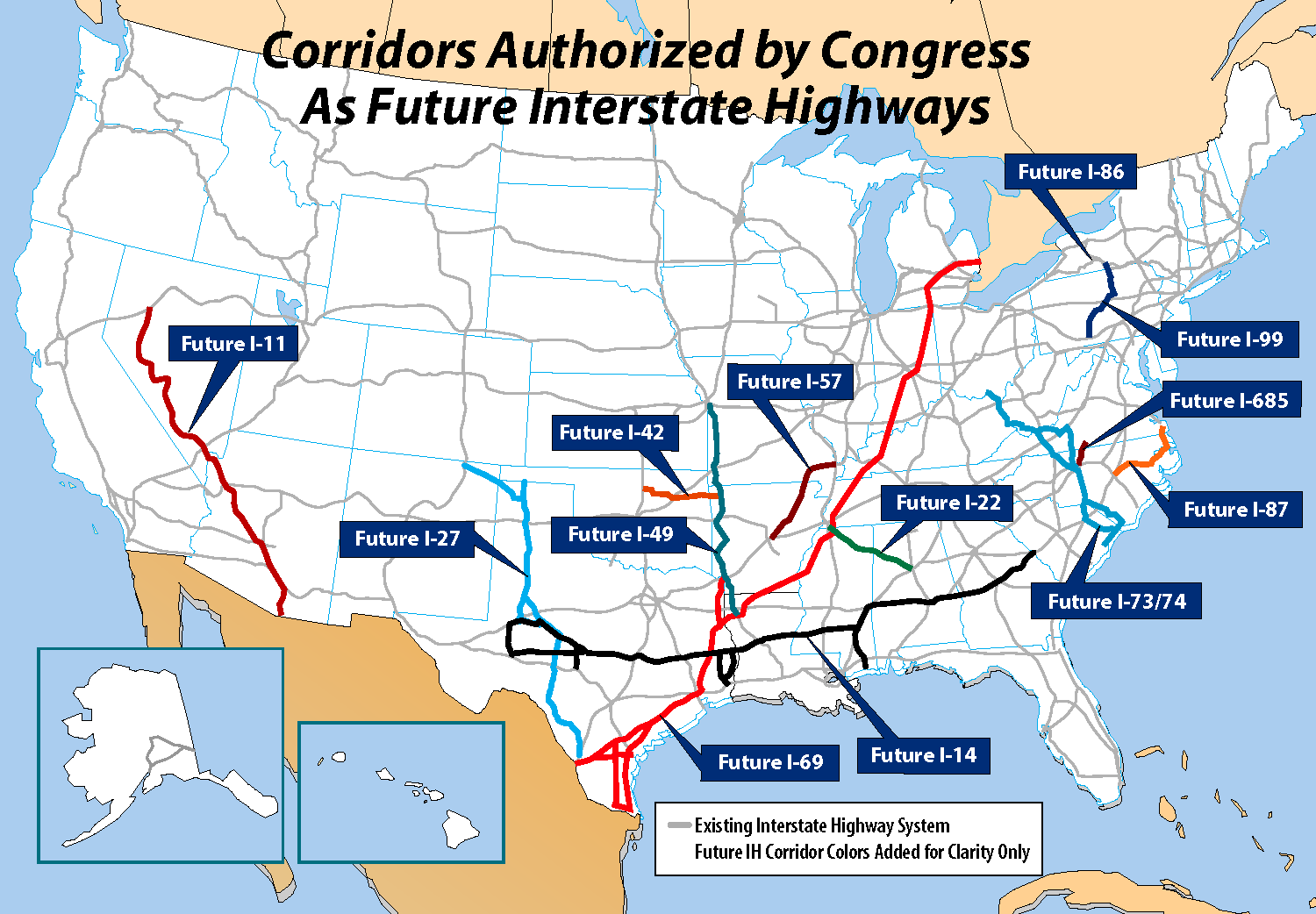
Momentum continues to grow behind the Congressionally Authorized Future Interstates (CAFI) initiative—one of the Ports-to-Plains Alliance’s leading federal transportation priorities heading into the 2026 surface transportation reauthorization. CAFI proposes a new formula-based federal funding program dedicated specifically to Congressionally designated Multi-state Future Interstate corridors, creating a long-term pathway to move these nationally significant routes from designation to delivery. For rural freight, agriculture, energy, tourism, and trade corridors like Ports-to-Plains, Heartland Expressway, and Theodore Roosevelt Expressway, CAFI represents the missing federal framework needed to finally complete America’s unfinished interstate network. |
|

|
Rather than forcing Future Interstate corridors to rely solely on highly competitive discretionary grants, CAFI would provide participating states with predictable funding, stronger planning certainty, and a true federal partnership for interstate completion. |
|
|
As national discussions continue to build around this concept, the CAFI has also launched a new CAFI LinkedIn page to serve as a central hub for updates, outreach, advocacy tools, and federal policy news. The page will feature:
We encourage all members and supporters to follow the new CAFI LinkedIn page and help us build awareness for this important national initiative. Additional information on the Multi-state Interstate Formula Funding, including a sample Resolution of Support are available HERE. America’s Future Interstates will only move forward if we build the coalition to make them a federal priority. Stay connected. Stay engaged. Help us build the Future Interstate. |
|
|
|
Registration is NOW OPEN for the 2026 Ports-to-Plains Alliance Annual Conference! |
|
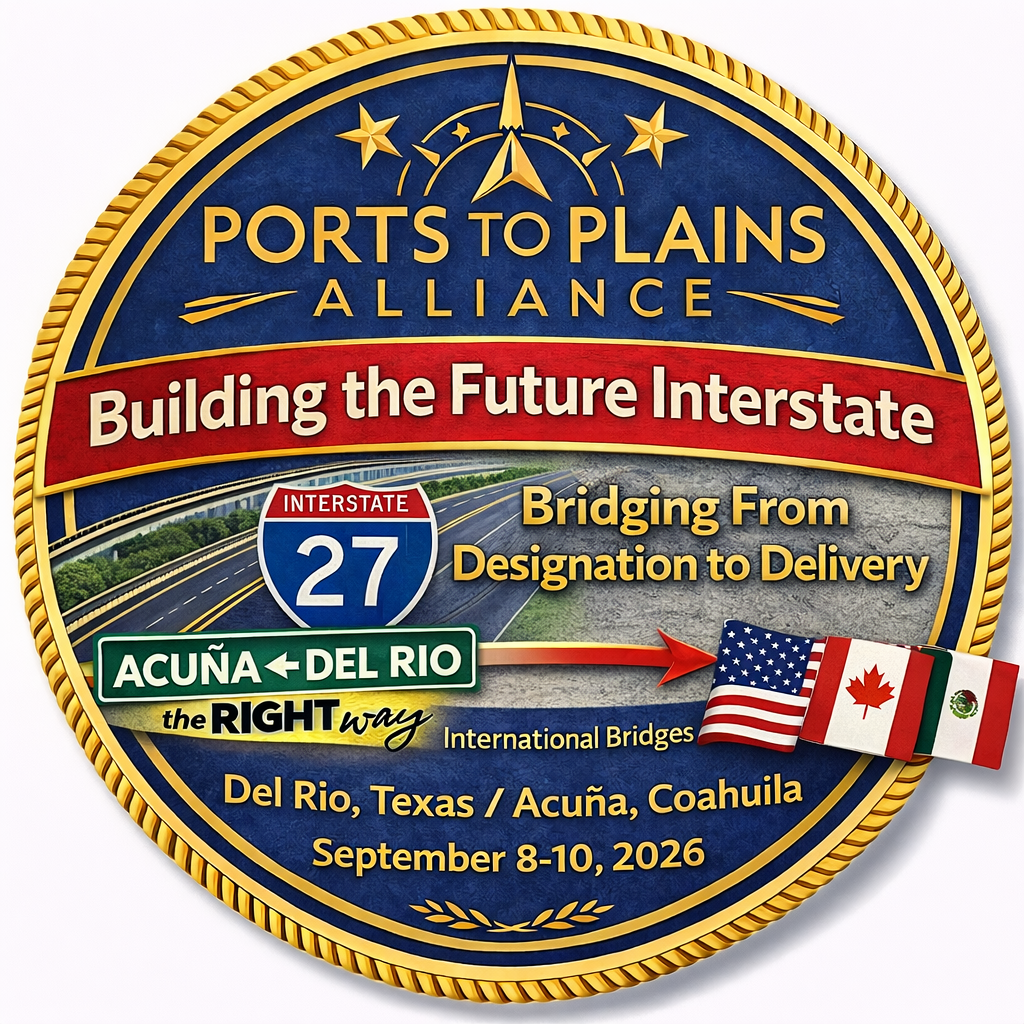
The Ports-to-Plains Alliance is thrilled to announce that registration is now open for our 2026 Annual Conference, set for September 8–10, 2026 in Del Rio, Texas and Acuña, Coahuila, México! This year’s event promises to be one of our most dynamic conferences yet as leaders from across North America gather under the theme: |
|
|
Building the Future Interstate: Bridging from Designation to Delivery From federal transportation policy and Future Interstate funding to cross-border trade, freight mobility, and state corridor implementation, this conference will put attendees at the center of the conversations shaping the future of the Ports-to-Plains Corridor and America’s next generation Interstate network. This is where transportation advocates, elected officials, economic developers, DOT leaders, private industry partners, and community stakeholders come together to share ideas, build partnerships, and move our corridor vision forward. Registration is FREE! Thanks to the incredible generosity of our conference sponsors, all conference attendees may register at no cost. That’s right — no registration fee to participate in three days of:
This is a unique opportunity to engage with the decision-makers and advocates helping transform the Future Interstate from a federal designation into a delivered reality. Become a Sponsor — Put Your Organization at the Center of the Conversation Conference sponsorship opportunities are also now available for organizations looking to showcase their leadership, strengthen industry visibility, and directly support one of North America’s most important transportation advocacy gatherings. Sponsors receive prominent recognition before and during the event while helping ensure broad participation from communities and corridor partners across the three nations. ➜ Interested in Sponsoring? View Sponsorship Opportunities Why You Need to Be There Momentum is building across the Ports-to-Plains system like never before — from CAFI and federal reauthorization efforts to state-level corridor investments and international trade expansion. The 2026 Annual Conference will be the place where those conversations become action. If you care about transportation, economic growth, freight movement, rural connectivity, or North American trade, you need a seat at this table. Conference information, including Schedule and Agenda, Lodging, and information about Host Cities are available HERE. Spots are filling quickly — register today and make plans to join us on the border this September! We cannot wait to welcome you to Del Rio and Acuña for this landmark event. |
|
|
|
Theodore Roosevelt Expressway Advances South with Nearly 18 Miles of New Four-Lane Construction Underway |
|
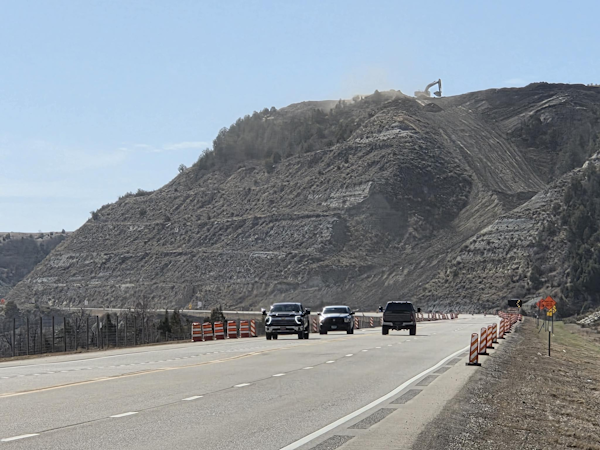
Momentum continues to build on the Theodore Roosevelt Expressway as major construction activity is now officially underway on another significant southward expansion of four-lane U.S. Highway 85 in western North Dakota. |
|
|
Two major contracts totaling more than $145 million have now launched between the Long X Bridge area and the junction with North Dakota Highway 200, creating nearly 18 miles of new four-lane divided highway and marking one of the most substantial Theodore Roosevelt Expressway construction efforts currently underway. The North Dakota Department of Transportation awarded:
Together, these projects continue pushing four-lane expansion south from Watford City and further strengthen the long-term buildout of the Theodore Roosevelt Expressway as a critical north–south freight, energy, agriculture, tourism, and national defense corridor. Construction Activity is Visible on the Ground Work is now becoming highly visible in McKenzie County as grading operations begin and support infrastructure is mobilized. The McKenzie County Commission recently approved a temporary asphalt batch plant and onsite fuel facility to support paving operations for the southern 12.5-mile project. Meanwhile, contractors have already begun heavy grading on the northern 5.5-mile section, where more than three million cubic yards of material will be moved through the rugged Little Missouri Breaks terrain. This means corridor stakeholders are no longer simply discussing future Theodore Roosevelt Expressway expansion—the corridor is physically moving south. Why This Matters This latest investment represents another major milestone in North Dakota’s steady commitment to transforming U.S. Highway 85 into a safer, more efficient four-lane divided facility. When complete, these projects will:
The 12.5-mile southern section is expected to be completed in 2027, while the Little Missouri Breaks segment will require approximately three construction seasons. A Corridor Moving Forward Every mile of new four-lane pavement matters. With this latest work now underway, North Dakota continues to demonstrate exactly what sustained state investment can accomplish—incrementally building the Theodore Roosevelt Expressway from concept to reality and laying the groundwork for the larger Future Interstate vision stretching from the Canadian border to the central United States. The Theodore Roosevelt Expressway is not standing still. It is moving south—mile by mile. For more information on the progress in North Dakota Click HERE. |
|
|
|
Eastern Alberta Economic Leaders Promote North-South Corridor Tied to Ports-to-Plains |
|
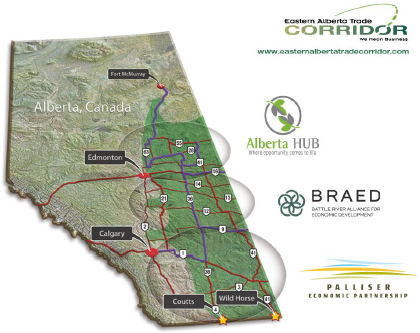
Local to Global Forum Dates: April 8–10, 2026 Focus: Regional economic growth, value-added agriculture, and infrastructure for the Eastern Alberta Trade Corridor (EATC). Organizers: Northeast Alberta Information Hub, Battle River Alliance for Economic Development (BRAED), and Palliser Economic Partnership (PEP). |
|
|
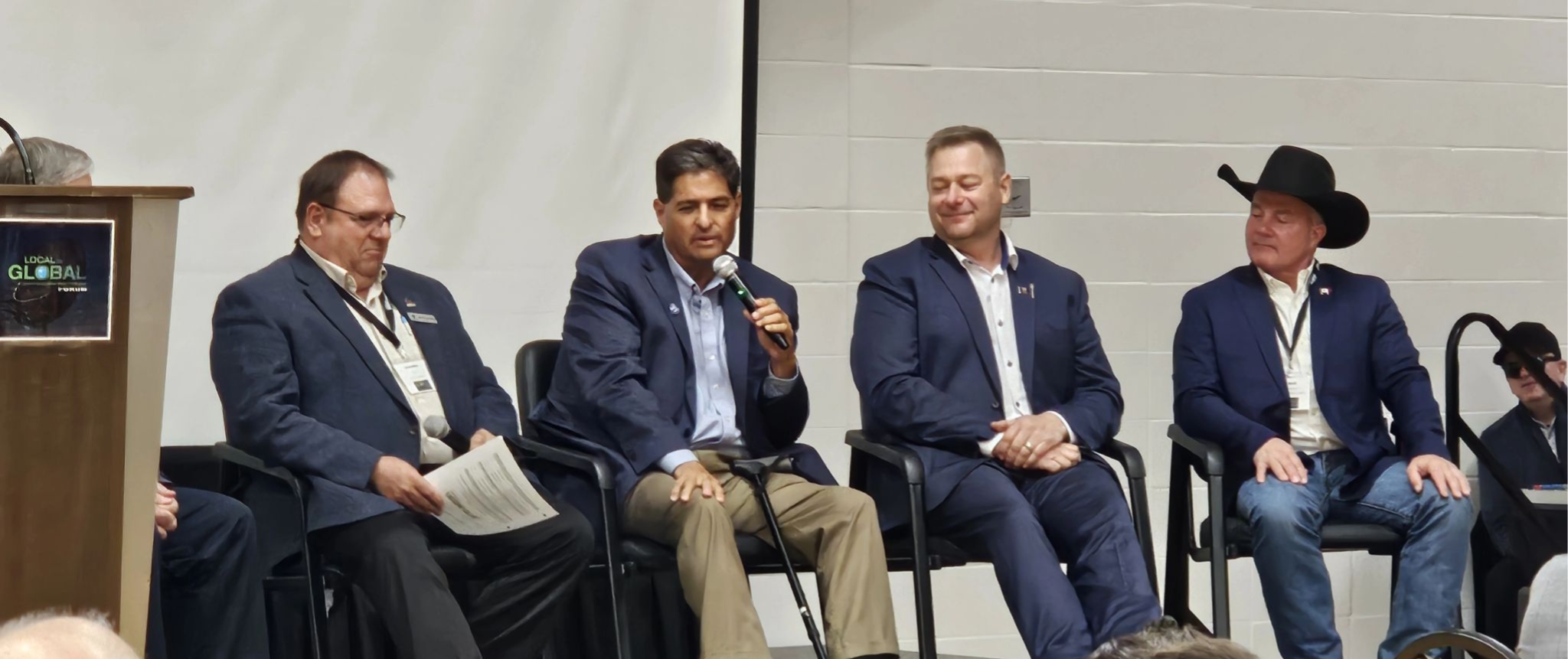
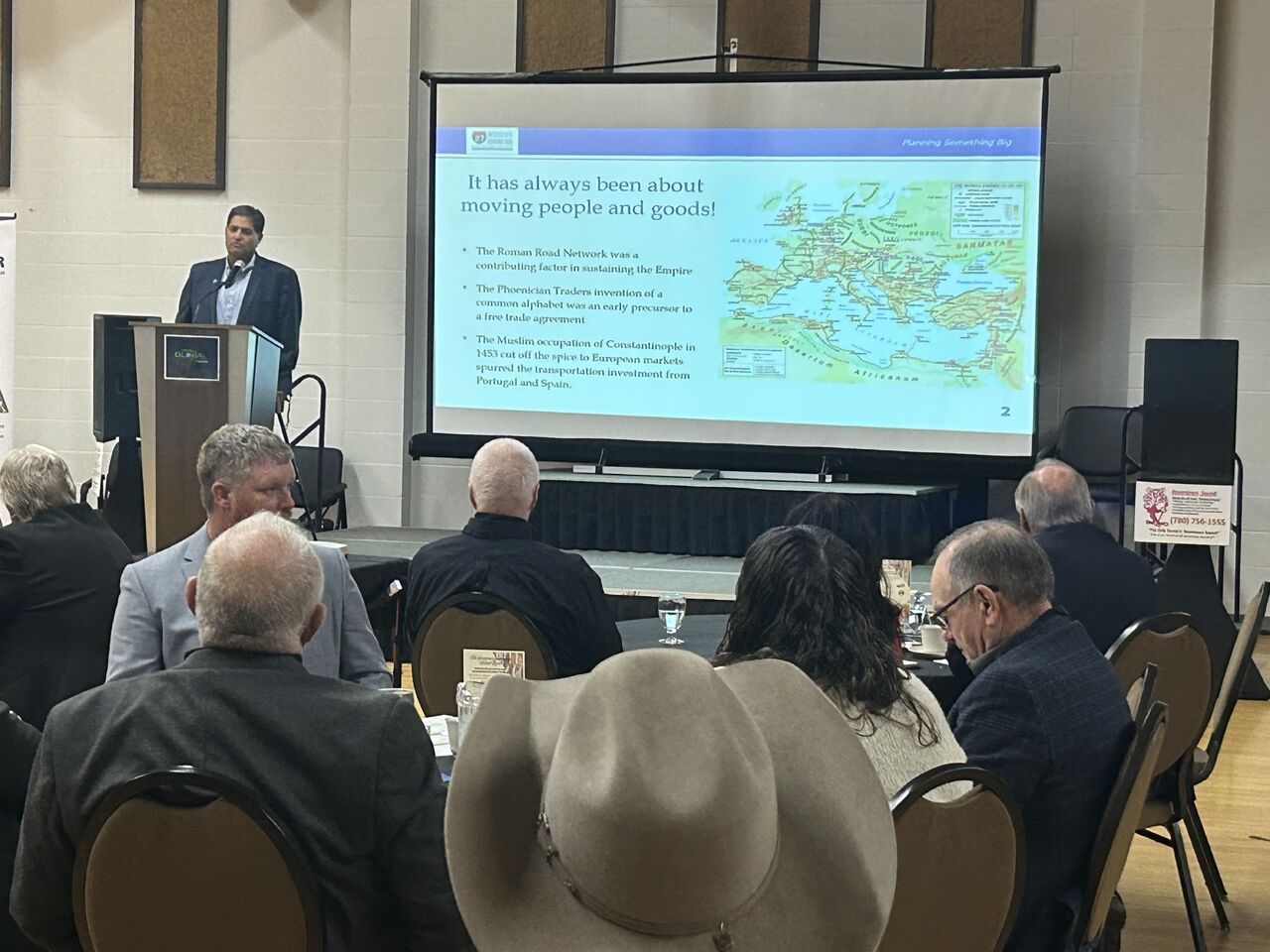
Close to 100 municipal elected officials, MLAs, CAOs and Economic Development Officers representing municipalities from across eastern rural Alberta gathered to promote regional economic development. The Northeast Alberta Information HUB (Alberta HUB), Battle River Alliance Economic Development (BRAED) and Palliser Economic Partnership (PEP) through the EATC initiative held the Local to Global forum April 8th- 10th in Vegreville. This annual forum brings together key stakeholders through-out the eastern side of Alberta to plan and promote a North/South economic corridor from the U.S. border to Northeastern Alberta. Through the Wild Horse port of entry via highway 41 and 36 this becomes a major component of the Ports-to-Plains Corridor of the United States, connecting Canada and Mexico. We were honored Lauren Gurdeno, President and CEO of the Ports-to-Plains Alliance based in the U.S. presented this year. The Ports-to-Plains Alliance is a cross-border coalition focused on improving transportation infrastructure and economic development across a large trade corridor in North America. |
|
|
|
“The work that the Alberta HUB and the Eastern Alberta Trade Corridor are doing for Alberta including opening markets in agriculture and energy is vital to the future economies of this province. Connecting Alberta’s Economic Corridors with future north-south interstates in the United States like IH 27 on the Ports-to-Plains trade corridor will give Alberta access to major trade partners in the Midwestern United States all the way to Texas and Mexico that share common commodities.” Lauren D. Garduño President/CEO at Ports-to-Plains Alliance The Government of Alberta, through the Ministry of Transportation / Economic Corridors is formalizing corridor development and we were delighted to have MLA Shane Getson, Parliamentary Secretary for Economic Corridors, MLA Garth Rowswell and MLA Scott Cyr in attendance to speak to the value of the EATC. “The Local to Global forum provided an excellent opportunity to connect and build relationships across Eastern Alberta into the United States. With a wide variety of speakers and presenters from Canada and the United States, attendees came away with a better understanding of trade routes and the incredible potential the Eastern Alberta Trade Corridor offers the world. From manufactured goods, food and energy, we are just starting to unlock the opportunities. The opportunities at CFB bases at Cold Lake, Wainwright, Suffield, transportation challenges, and technology were all discussed at length during the forum.” Gerald Aalbers, Chair, Northeast Alberta Information HUB (Alberta HUB) Mayor City of Lloydminster |
|
|
|
|
Lauren Garduño President & CEO Ports-to-Plains Alliance 5834 FM 1086 |
|
Joe Kiely Vice President of Operations Ports-to-Plains Alliance PO Box 758 Limon, CO 80828 Cell: (719) 740-2240
|
|
Tina Scarborough Business Manager Ports-to-Plains Alliance PO Box 16226 Lubbock, TX 79490 (806) 777-4162 tina.scarborough@portstoplains.com
|
|
Cal Klewin Executive Director Theodore Roosevelt Expressway Association PO Box 1306 Williston, ND 58802 701-523-6171 |
|
Deb Cottier Chair Heartland Expressway Association c/o TCD 308-430-5959 |